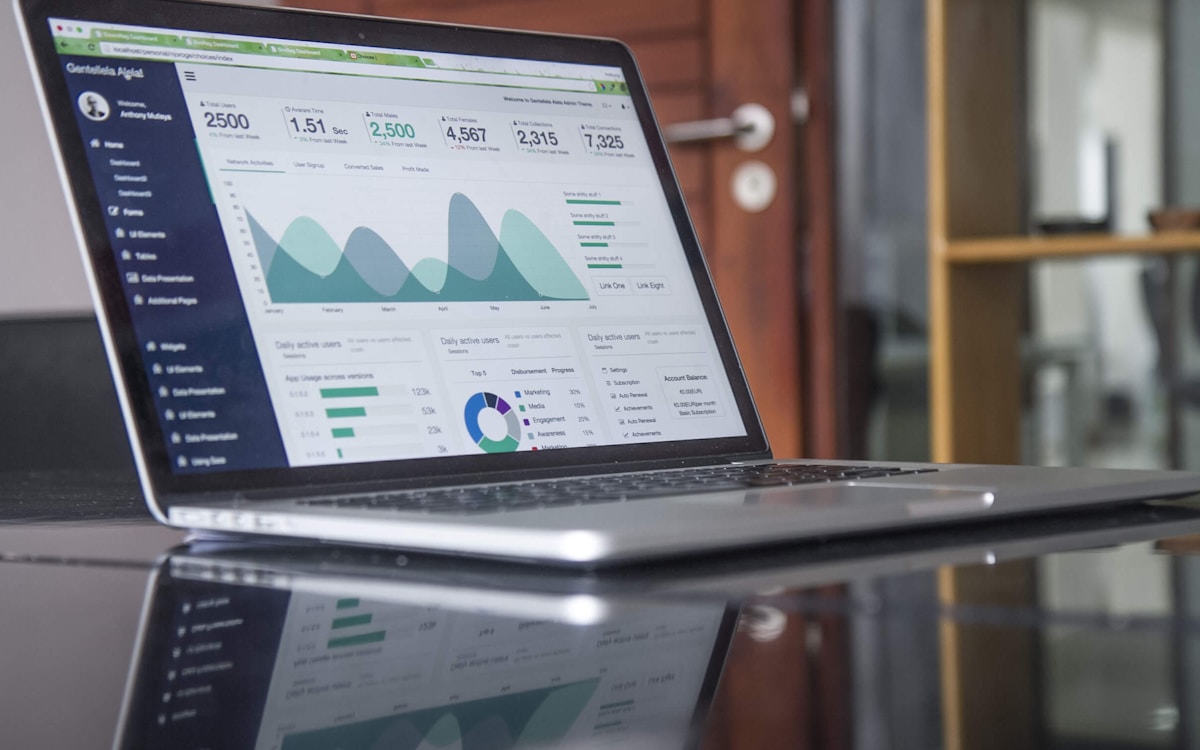
There’s a moment every product team knows: a metric dips, someone notices it in the morning report, and by the time the “why” is answered, the week is over. It’s not that the team is slow — it’s that the data pipeline is. Batch processing was designed for a world where “what happened” was a weekly question. Your users stopped living in that world years ago.
The hidden cost of a 24-hour delay
When your dashboards update overnight, every decision you make sits on top of yesterday’s reality. A pricing experiment that started at 2 p.m. doesn’t show up until the next morning’s report. A feature rollout that’s confusing users on Monday is still “under evaluation” on Wednesday. The lag isn’t a technical detail — it’s a tax on every decision, paid daily.
The cost compounds in three ways:
- Reaction time. The gap between a problem happening and a human noticing is measured in hours, not seconds.
- Confidence. When you can’t trust the number to be current, you stop trusting the number at all.
- Institutional memory. Teams that never see live behavior develop theories instead of facts — and theories are sticky.
What realtime actually changes
Moving to a live event stream doesn’t just make the charts prettier. It changes the questions your team can ask:
- “Is the new onboarding actually working?” — answerable the moment the first user finishes it.
- “Did that deploy break checkout?” — answerable in the minute after it ships.
- “Which cohort is converting?” — answerable with a filter, not a JIRA ticket to the data team.
None of this requires an analytics department. It requires events arriving in under a second and a dashboard that can keep up with them.
The bar is lower than you think
The common objection is “we don’t have the infrastructure.” In 2026, that’s rarely true. An SDK that sends events as they happen, an ingest layer that accepts them without a schema ceremony, and a query layer that answers in real time — the whole stack is a solved problem. The hard part isn’t the plumbing anymore; it’s deciding which questions matter enough to ask live.
The trade you’re actually making
Keeping a batch pipeline because “it’s what we have” is a real trade — you’re trading a day of latency for a few hours of setup you’ll never get back. In our experience, teams that switch to realtime analytics don’t switch back. The first time a funnel updates while you watch it, the batch report stops feeling like a report and starts feeling like a history book.
If you’re curious where to start, we wrote a four-minute guide to getting your first live funnel running — no SQL, no schema, no waiting for the morning report.

Engineering Lead at Vireo